When Your Parent Is Over 80, Companionship Matters as Much as Care
Beyond health and safety, staying connected, engaged and valued becomes increasingly important after the age of 80.
When parents cross 80, our concerns naturally turn to their health, medicines, mobility and safety. Are they eating properly? Are they taking their medicines? What happens if they fall? Who will be around in an emergency?
But there is another question families may need to ask: Who does my parent actually spend the day with?
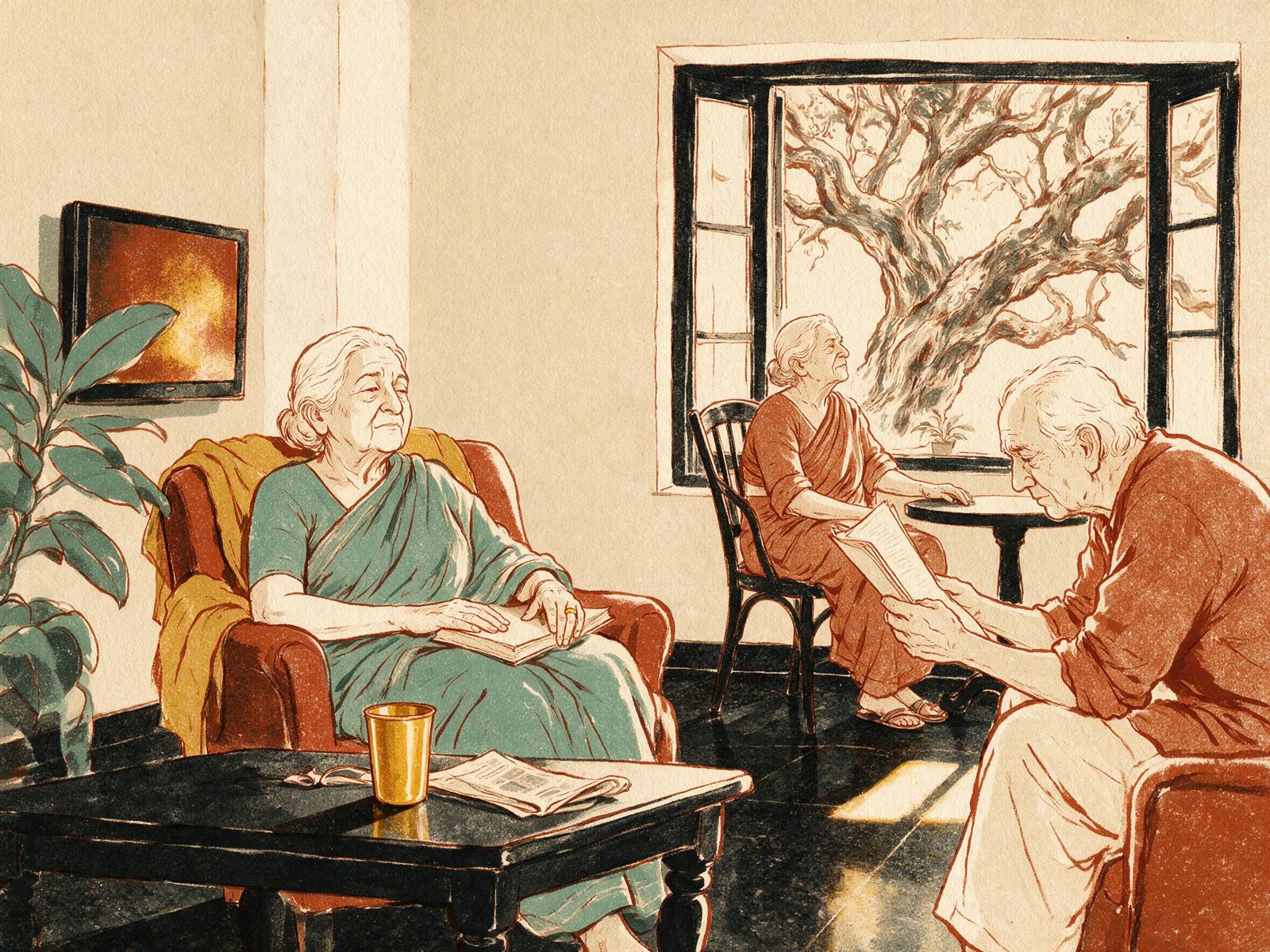
As people move into their 80s and 90s, their social world can gradually become smaller. A spouse may have passed away. Friends may be fewer or unable to meet regularly. Reduced mobility can make going out more difficult. Children may live in another part of Bengaluru, another city or overseas. Even a senior who is physically safe and well supported at home can therefore spend long stretches of the day with very little meaningful human interaction.
For someone over 80, companionship is not simply about having an active social calendar. It can be about something much more ordinary: having people around with whom everyday life can be shared.
Why does social connection become important in later life?
Loneliness and social isolation are increasingly recognised as important issues in healthy ageing. The World Health Organization (WHO) identifies social isolation and loneliness as significant social determinants of health and reports that around one in ten older people experiences loneliness, while approximately one in four is socially isolated.
WHO also notes that meaningful social activities and social support can contribute positively to mental health, life satisfaction and quality of life among older adults.
This does not mean that every older person who lives alone is lonely. Many seniors value privacy and independence and remain socially connected through family, friends, neighbours, community groups and personal interests. Living alone and feeling lonely are not the same thing.
The concern arises when age, reduced mobility, bereavement, declining health or fewer opportunities to go outside gradually reduce those connections.
KEY TAKEAWAY
After 80, the question is not simply whether a parent is living safely. It is also whether everyday life still contains conversation, companionship and involvement.
Sometimes it is the ordinary moments that matter
Families often think of social engagement in terms of organised activities: yoga, music, games, celebrations or outings. These can certainly help, but companionship in advanced age does not always need to be organised.
An 85-year-old may not want a full activity calendar.
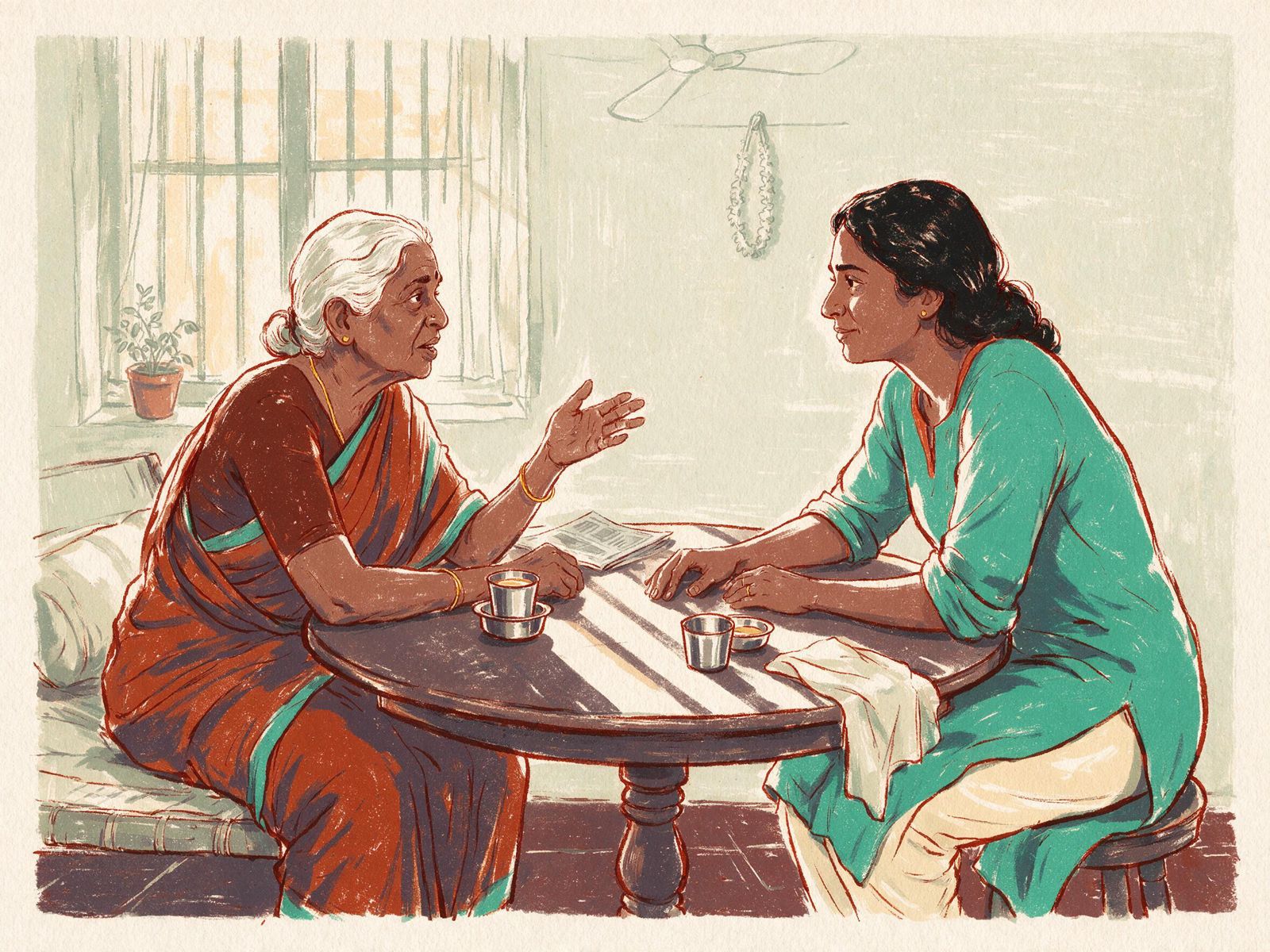
A conversation over morning coffee can matter. So can meeting familiar people at breakfast, watching television together, discussing the day's newspaper, sitting outside in the evening, sharing a joke with a caregiver or simply knowing that there are people nearby.
For seniors whose mobility has reduced, the environment in which they live can therefore become particularly important. When social interaction requires travelling somewhere, arranging transport or depending upon another person, participation can become progressively harder. When companionship exists naturally within the living environment, opportunities for interaction become part of everyday life.
How can assisted living help reduce isolation?
One advantage of a well-run assisted living community is that care and social connection can exist in the same environment.
At Priaashraya, we have observed this particularly among residents in their 80s and 90s. Some arrive naturally sociable; others prefer their own company and take time to participate. We therefore believe engagement should be available and encouraged, but never forced.
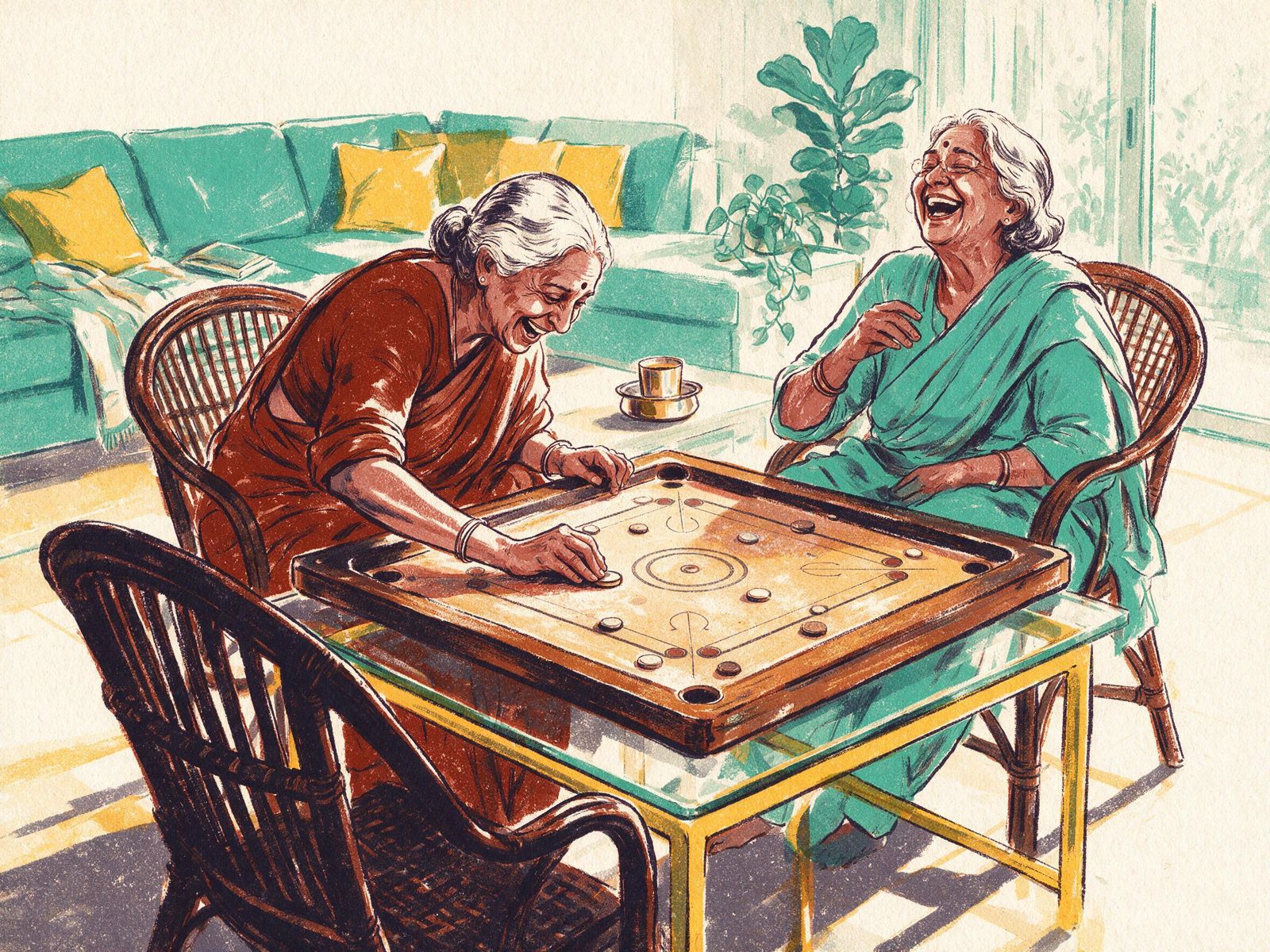
Residents at Anandam and Utsaha have opportunities to meet others during meals, activities, physiotherapy and exercise sessions, games, festivals, musical programmes and everyday time spent in common spaces. But equally important are the unplanned interactions: greeting familiar residents, talking to staff, sharing tea or simply sitting alongside someone else.
Over time, these small interactions can create familiarity and a sense of belonging.
FROM PRIAASHRAYA'S EXPERIENCE
We have often found that an older person does not necessarily need to be “kept busy” throughout the day. Sometimes what matters more is simply having familiar people around and opportunities to participate when they feel like it.
Alongside this social environment, residents have access to caregiver and nursing support, medication assistance, nutritious vegetarian meals, physiotherapy and assistance with activities of daily living as required.
Priaashraya is a non-medical assisted living and supportive senior-care organisation. Medical conditions, mental-health concerns and treatment decisions continue to require assessment and guidance from the appropriate healthcare professionals.
Assisted living does not replace the family
Perhaps the most important distinction is that a senior community should never attempt to replace children, grandchildren, relatives or lifelong friends.
Family relationships remain unique.
What a community can do is fill some of the many hours between the phone calls, video calls and family visitswith human interaction, routine and companionship.
For children living overseas or elsewhere in India, this can also change the nature of their relationship with an ageing parent. Conversations need not revolve only around medicines, appointments, whether lunch was eaten or whether the caregiver arrived. There can once again be other things to talk about: a birthday celebration, a new friend, a music programme or simply what happened during the day.
A good senior-living environment does not substitute family relationships. It creates more opportunities for an older person to remain connected with everyday life.
After 80, care may need a broader definition
Good care will always include safety, nutrition, medication support and assistance when required. But as parents enter their 80s and 90s, families may also want to look beyond these practical requirements.
Ask: Does my parent have someone to talk to? Are there people around who know them? Can they participate in something without having to make elaborate arrangements? Do they still feel part of everyday life?
Living longer is important. But continuing to feel connected, noticed, valued and involved can make those additional years more meaningful.
Sometimes, after 80, companionship really can matter as much as care.
References & Further Reading
1. World Health Organization. From Loneliness to Social Connection: Charting a Path to Healthier Societies.Report of the WHO Commission on Social Connection, 2025.
2. World Health Organization. Social Isolation and Loneliness Among Older People: Advocacy Brief. WHO, UN DESA and ITU, 2021.
3. World Health Organization. Mental Health of Older Adults. Updated July 2026.
4. Hindustan Times. Rising loneliness among older adults: Why where you live matters for mental health.Background reading that prompted this article.
About This Article
Grounded in experience. Written for families.
Drawn from Priaashraya's practical experience with older adults and families, supported by established senior-care practices and reliable sources.
For general information only; health-related content is not a substitute for professional medical advice.
© 2026 Priaashraya Healthcare Pvt. Ltd. All rights reserved.
Recent posts



Our homes in Bengaluru


Tell us about your situation
Fill in as much as you're comfortable sharing. One of our senior care advisors will call you back to talk it through.
A conversation, not a pitch.