
Ageing at Home vs Assisted Living: Which Is Right for Your Family?
The right choice depends on safety, independence, companionship, support and your parent’s quality of life.
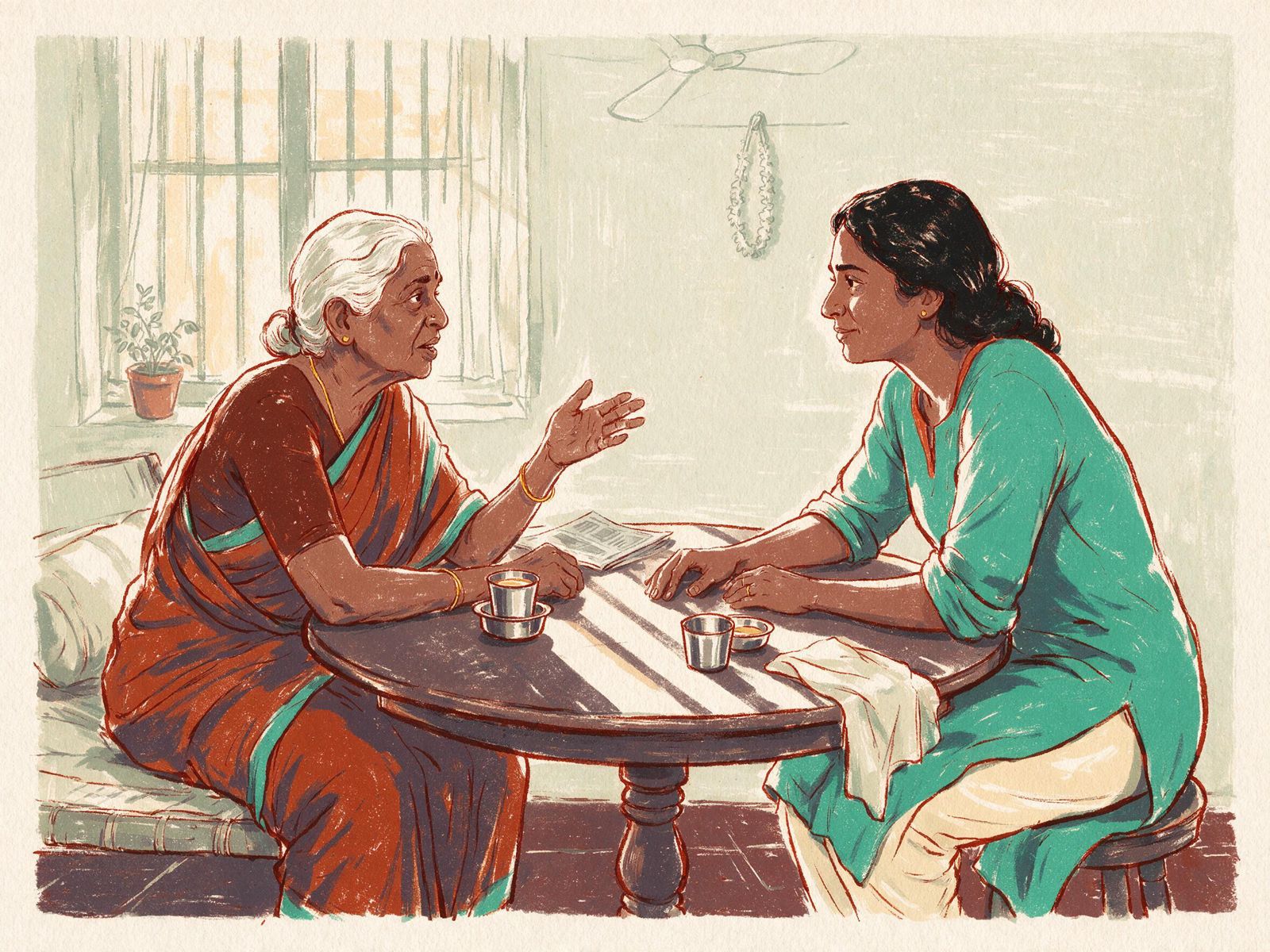
Most families do not begin by looking for assisted living. They begin with a much more personal question: Can Amma or Appa continue living at home?
For many older adults, the answer is absolutely yes. Familiar surroundings, established routines, neighbours and memories can make home the best place to grow older. But as health, mobility or family circumstances change, another question becomes equally important: Are they still thriving at home, or are they simply managing?
Ageing at home and assisted living are not competing ideas. The right choice is the environment that best supports a senior’s independence, safety, social connection and quality of life at that particular stage of ageing.
The question is not simply whether a parent can live at home. It is whether home is still helping them live well.
When Does Ageing at Home Work Well?
Ageing at home can work extremely well when an older person is reasonably independent, socially connected and has dependable support nearby. They may manage their medicines, meals and personal care independently or with help from family, domestic staff or professional caregivers.
This is particularly relevant in India, where care at home is often built around a combination of children, relatives, household help, cooks, drivers, attendants and visiting healthcare professionals. When that network is dependable and the senior remains comfortable and engaged, there may be no reason to change simply because they have crossed a particular age.
But families should periodically look beyond whether everyday tasks are somehow getting done. Are medicines being taken correctly? Is the senior eating well? Are they moving enough? Do they meet people and have meaningful conversations? Could they obtain help quickly in an emergency?
These questions often reveal more than age itself.
Safety Matters, but So Does Social Connection
Falls deserve particular attention as people grow older. The World Health Organization identifies older adults as having the highest risk of serious injury or death from falls, with age-related changes in mobility, balance, cognition and vision among the contributing factors.¹
This does not automatically make home unsafe. Grab bars, appropriate lighting, safer bathrooms, mobility aids and reliable assistance can allow many seniors to continue living safely at home. What matters is whether the environment evolves along with the person.
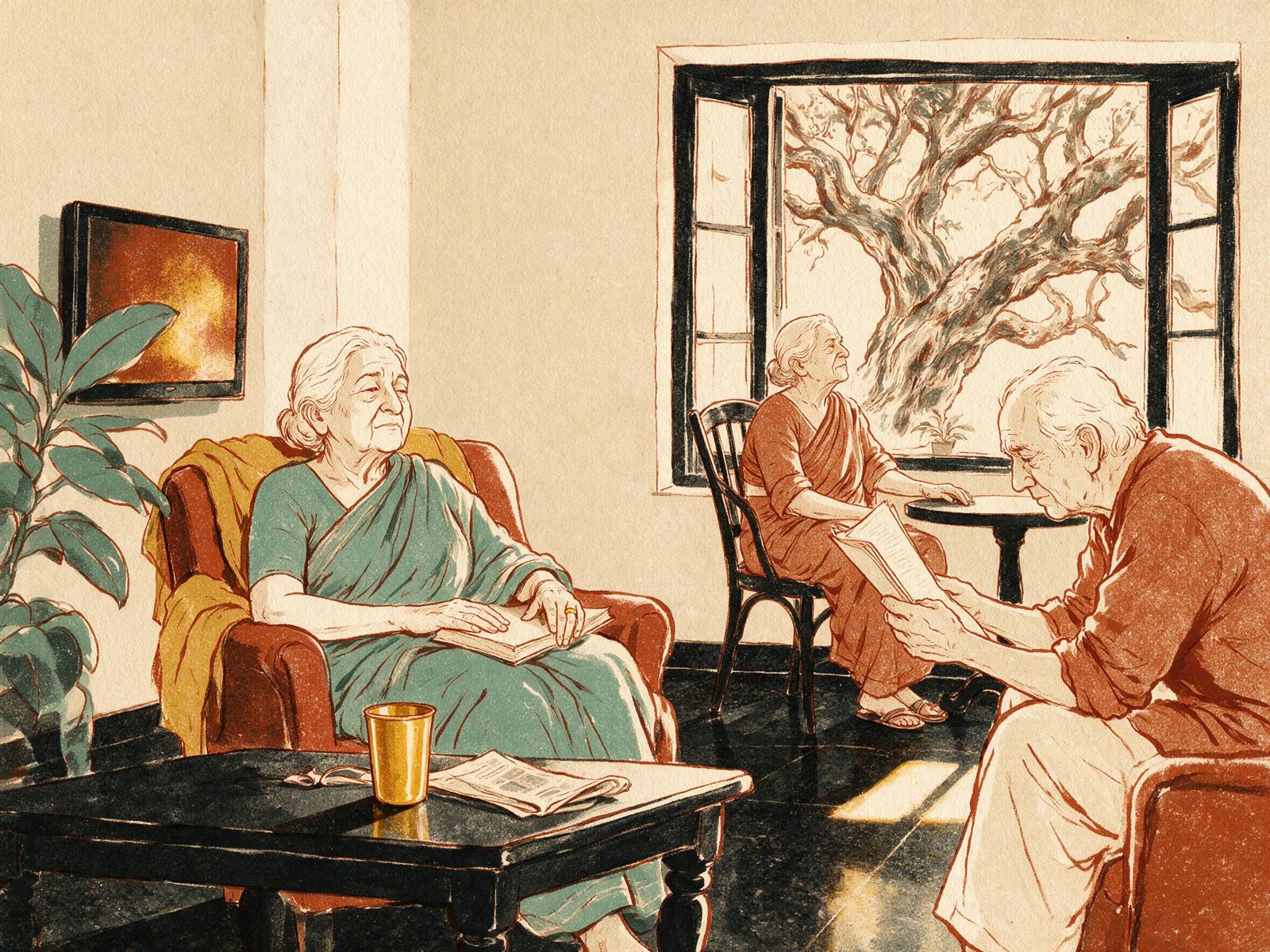
Social wellbeing deserves the same attention. Loneliness can develop gradually as friends move away or pass on, mobility reduces and children become busy or live elsewhere. The WHO recognises loneliness and social isolation as important social determinants of health and reports significant effects on physical and mental health, quality of life and longevity.²
A person can, of course, be socially fulfilled at home and lonely in a community. The address does not create companionship.
Good senior care is not only about preventing something from going wrong. It should also preserve the things that make everyday life worth looking forward to.
Are They Safe — or Are They Also Thriving?
This is where the decision becomes more nuanced.
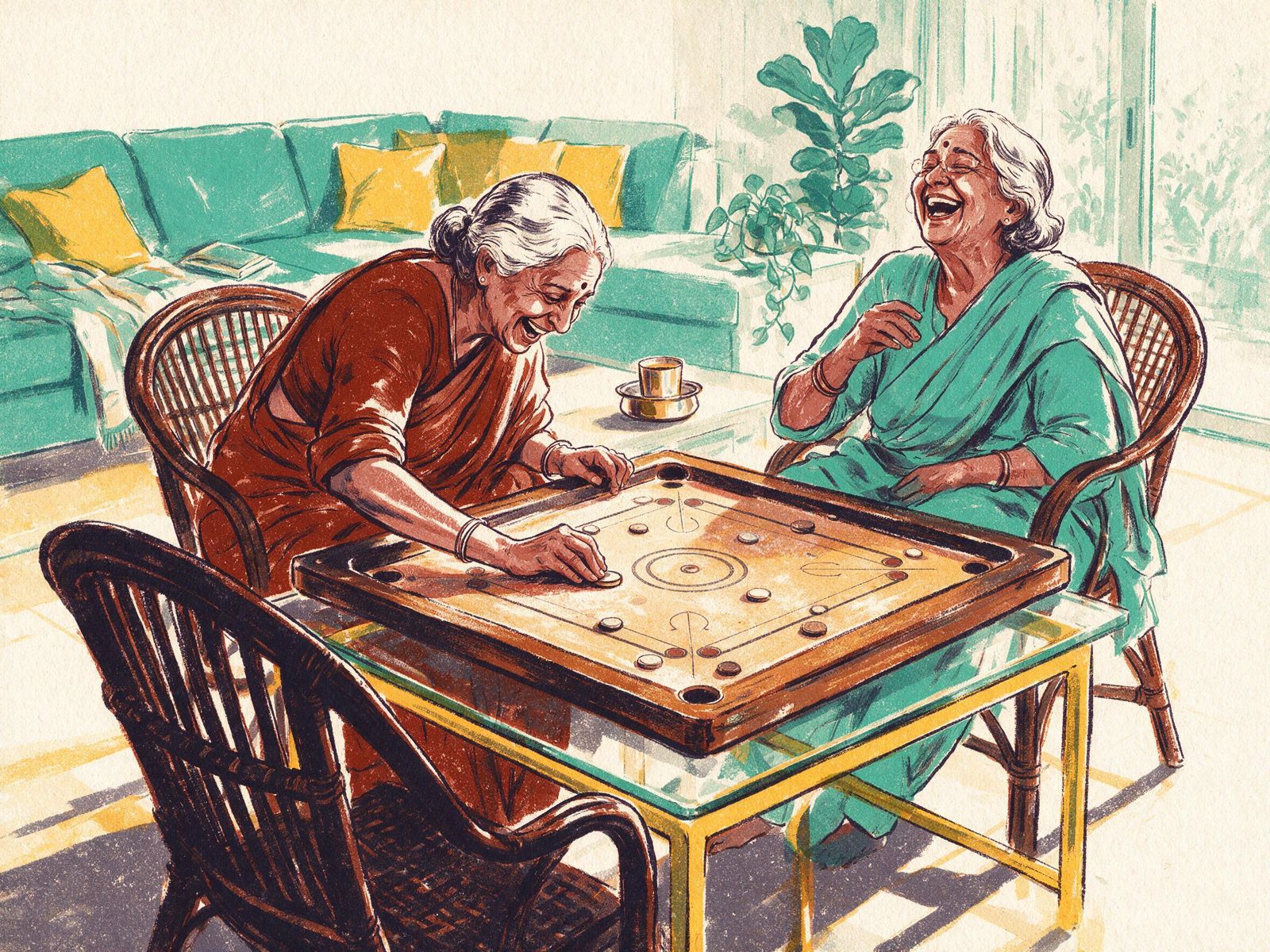
A parent may still be able to prepare breakfast, answer the telephone and manage basic personal care. But do they laugh regularly? Meet people? Pursue an interest? Leave the house? Have something to look forward to tomorrow?
The WHO's approach to healthy ageing similarly emphasises the interaction between an individual's abilities and the physical and social environment around them.³ India's National Programme for Health Care of the Elderly also identifies active and healthy ageing and an enabling environment for older people among its objectives.⁴
Increasing forgetfulness should also be observed without immediately labelling it as dementia. What matters practically is whether memory changes begin interfering with everyday life — medicines being missed or repeated, meals forgotten, familiar routines becoming confusing, or personal safety being affected. Such changes warrant discussion with the senior's doctor and may also indicate that more day-to-day support is required.
Family Capacity Is Part of the Decision
For many Indian families, particularly when children live overseas or in another city, ageing at home can require considerable coordination.
Someone must organise caregivers, medicines, doctor appointments, groceries, transport and emergencies. Even when children live nearby, these responsibilities may coexist with careers, their own health concerns, children and other family commitments.
Over time, family conversations can quietly become dominated by questions such as: Did Amma take her medicine? Has Appa eaten? Why isn't he answering the phone? Did the caregiver come today?
Recognising that an arrangement is becoming difficult to sustain is not a failure of family responsibility. It is useful information when deciding what kind of support is now appropriate.
When Might Assisted Living Be Worth Exploring?
Assisted living may be worth considering when falls are becoming frequent, mobility is declining, medicines are regularly missed, nutrition is suffering, social isolation is increasing, forgetfulness is affecting everyday routines, or the family is finding the care arrangement increasingly difficult to sustain.
It does not follow that assisted living is automatically the better choice. A senior who is independent, socially active and well supported at home may gain little from moving.
Nor does exploring assisted living mean committing to it. Families can visit different facilities, understand their care models and involve the senior in the decision. A short or respite stay can sometimes provide practical experience before a longer-term decision is made.
The Priaashraya Perspective
Families approaching us at Priaashraya often ask some version of the same question: “Is it really time?”
In our experience, chronological age rarely provides the answer. We have seen seniors well into their eighties who remain comfortable and well supported at home, and others whose circumstances make additional support valuable much earlier.
What families often notice after a move is not simply that everyday care is being shared. Their own relationship with the parent can change too. Visits may become less about checking medicines, meals and caregivers, and more about spending time together.
The same outcome can also be achieved at home when the right support system is available.
Choose the Environment, Not the Label
The best decision is not about choosing between a house and a care home. It is about choosing the environment in which your loved one can continue to live safely, independently, meaningfully and with dignity.
For some families, that will remain home. For others, it may become assisted living.
Both can be the right decision.
If your family is somewhere between these two choices, explore both honestly. Sometimes the most reassuring conclusion may be that home continues to work well. At another stage, the answer may change.
References & Further Reading
1. World Health Organization — Falls: Fact Sheet.
2. World Health Organization — Reducing Social Isolation and Loneliness Among Older People and WHO Commission on Social Connection.
3. World Health Organization — Ageing and Health.
4. Directorate General of Health Services, Ministry of Health & Family Welfare, Government of India — National Programme for Health Care of the Elderly (NPHCE).
About This Article
Grounded in experience. Written for families.
Drawn from Priaashraya's practical experience with older adults and families, supported by established senior-care practices and reliable sources.
For general information only; health-related content is not a substitute for professional medical advice.
© 2026 Priaashraya Healthcare Pvt. Ltd. All rights reserved.
Recent posts



Our homes in Bengaluru


Tell us about your situation
Fill in as much as you're comfortable sharing. One of our senior care advisors will call you back to talk it through.
A conversation, not a pitch.