Respite Care: Why a Short Stay Can Be the Right First Step
Temporary senior care can support families through travel, illness, home disruption or simply a needed break.
There are times when an ageing parent is perfectly comfortable living at home, yet the family suddenly faces a practical question: Who will look after them while we are away?
Perhaps the children need to travel for a wedding or holiday and the parent can no longer comfortably accompany them. The house may be undergoing renovation. A spouse or family caregiver may need surgery or medical treatment. Or an unexpected family commitment may make the normal care arrangement difficult for a few days.
These are precisely the situations in which respite care for seniors can be useful.
Respite care is temporary care provided when a senior’s regular caregiving arrangement is unavailable or needs a break. Depending on the service, it can range from a few hours to several weeks and may be provided at home, through day care or through a short residential stay. The US National Institute on Aging specifically identifies rest, travel and spending time with other family members among the reasons caregivers use respite care.
Respite care does not necessarily mean a family is considering permanent assisted living. Sometimes, it simply solves a temporary care need.
When Can a Short Stay Help a Family?
Travel is perhaps the easiest example. As parents grow older, long journeys, unfamiliar accommodation and changes in routine may become less appealing or practical. Their children, meanwhile, may still need to travel for work, holidays, weddings or other family occasions.
Rather than leaving the senior alone at home or putting together a temporary arrangement with domestic help, relatives and neighbours, a planned short stay can provide continuity of everyday support while the family is away.
But travel is only one reason.
Home renovation, painting, pest control, plumbing repairs or construction can temporarily make a familiar home uncomfortable for an older person. Dust, noise, workers moving around and furniture being shifted can disrupt normal routines. A short stay elsewhere allows the senior to avoid this disruption and return when the home is ready again.
There are also occasions when the caregiver becomes the person who needs care. A spouse caring for a spouse may require a medical procedure. An adult child may fall ill, face a work emergency or have another family responsibility that temporarily limits their ability to provide support.
The World Health Organization recognises caregiver support, including respite care where appropriate, as part of a broader approach to supporting older people and those who care for them.
Good respite care supports two people at once: the senior who needs continuity and the caregiver who temporarily needs time away.
Can Respite Care Also Be a Trial for Assisted Living?
Yes — although that need not be its primary purpose.
Families considering assisted living often visit facilities, speak with staff and look at rooms before making a decision. But living somewhere for a week or two provides a very different perspective.
The senior experiences the meals, routines, staff, other residents, activities and overall environment first-hand. Equally importantly, the family can observe how comfortably the senior adjusts.
This can make respite care a gentle introduction to assisted living without requiring a long-term commitment from the outset.
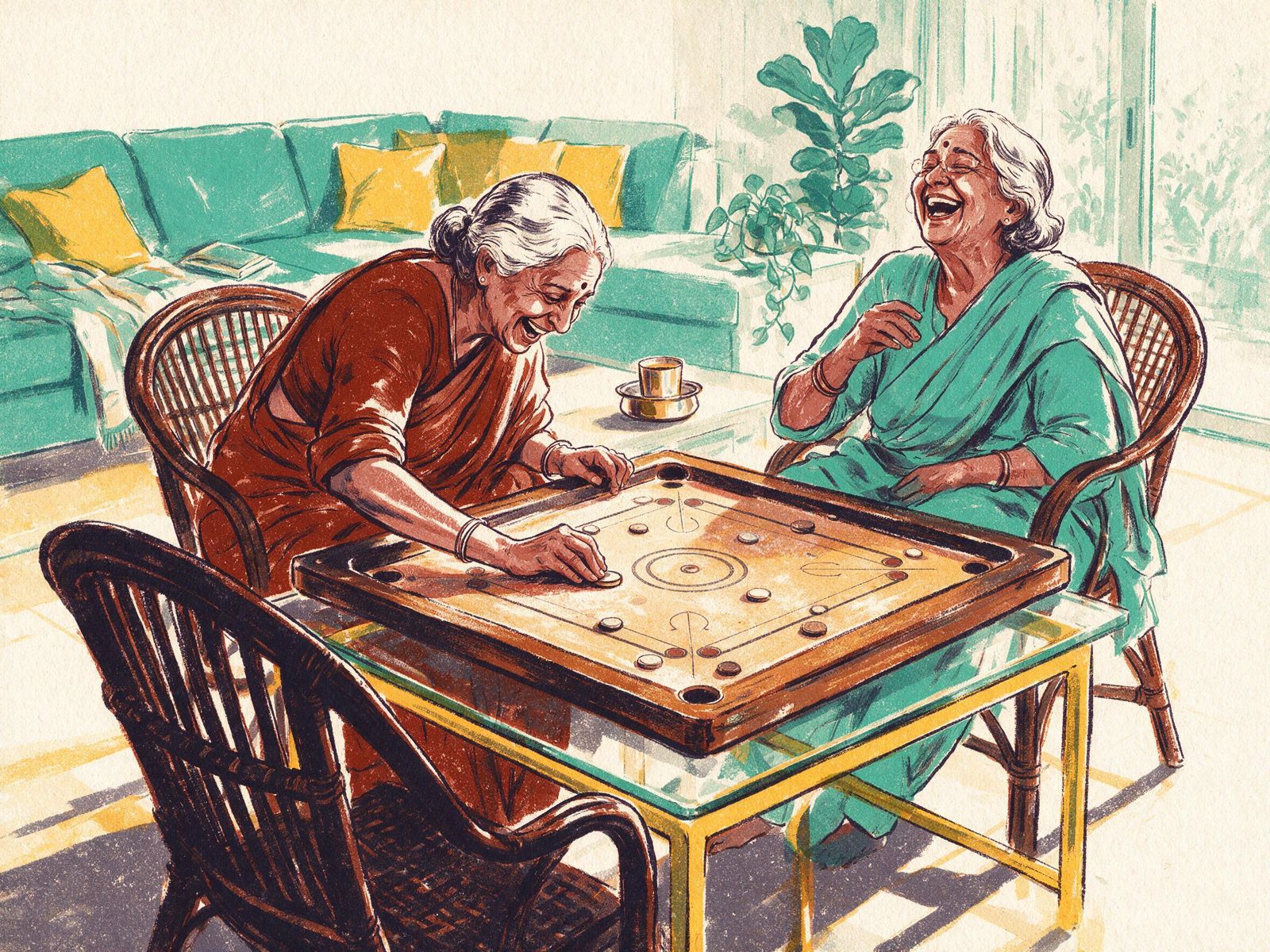
For some seniors, a short stay may also provide a refreshing change of environment. Conversations over meals, activities and simply having other people around can add social interaction to the day. The objective should not be to force participation, but to allow the senior to maintain their individuality and routines while having opportunities for companionship.
What Should Families Look for in Respite Care?
A short stay should not be treated casually merely because it is temporary. Before choosing a respite-care arrangement, families should understand how the senior’s everyday needs will be supported.
Useful questions include whether the facility can accommodate the senior's mobility and personal-care needs, how medicines are supported, what happens if medical attention is required, what meals and routines are available, and whether the environment is suitable for the individual's physical and cognitive condition.
Families should also share relevant medical information, prescriptions, emergency contacts, dietary requirements and established routines before admission. Where significant medical or nursing needs exist, suitability should be assessed individually and the senior's treating doctor may need to advise on the appropriate care setting.
A successful short stay begins before admission: understanding the senior’s routines, abilities, preferences and support requirements is as important as preparing the room.
How Priaashraya Approaches Short-Stay Respite Care
In our experience supporting seniors at Priaashraya, families approach us for short stays for very different reasons. Some are travelling overseas; others have weddings or family commitments. Occasionally a home is being renovated, or the regular caregiver needs medical treatment or simply cannot be available for a period.
The common requirement is not necessarily “We need an old-age home.” It is often much simpler: “For the next ten days, we need a safe and supportive place for our parent.”
At Priaashraya, respite residents stay within the same assisted-living environment as our longer-term residents, with accommodation, vegetarian meals, medication support, shared nursing and caregiver assistance, activities and emergency coordination according to individual needs and suitability.
As a non-medical assisted-living organisation, Priaashraya does not replace a hospital, rehabilitation centre or medical treatment. Seniors with acute or complex medical needs must be individually assessed to determine whether assisted living is an appropriate setting.
Sometimes, Temporary Care Is Exactly What Is Needed
Families do not always need to choose between living at home and moving permanently into assisted living. There is useful space between those two choices.
Respite care can provide that space.
It can allow children to travel without constantly worrying about a parent at home. It can give a caregiver time to recover from illness. It can protect an older person from the disruption of a house renovation. And for families beginning to think about assisted living, it can provide an opportunity to experience the environment before making a larger decision.
Sometimes the right care decision is not about the next several years.
It is simply about making sure the next few days or weeks are well supported.
References & Further Reading
1. World Health Organization — Integrated Care for Older People (ICOPE): Guidelines on Community-Level Interventions to Manage Declines in Intrinsic Capacity.
2. World Health Organization — Integrated Care for Older People (ICOPE) Implementation Framework: Guidance for Systems and Services.
3. National Institute on Aging — What Is Respite Care?
4. NHS — Carers' Breaks and Respite Care.
ABOUT THIS ARTICLE
Grounded in experience. Written for families.
Drawn from Priaashraya's practical experience with older adults and families, supported by established senior-care practices and reliable sources.
For general information only; health-related content is not a substitute for professional medical advice.
© 2026 Priaashraya Healthcare Pvt. Ltd. All rights reserved.
Recent posts



Our homes in Bengaluru


Tell us about your situation
Fill in as much as you're comfortable sharing. One of our senior care advisors will call you back to talk it through.
A conversation, not a pitch.