
Retirement Homes vs Assisted Living: Which Is Right for You?
Both support better ageing, but they serve different stages of independence and everyday care needs.
At 62, you may be looking forward to retirement, travel and having more time for yourself. At 72, you may still be doing all of that, but perhaps prefer a home that is easier to maintain and a community of people at a similar stage of life. At 82, medicines, meals, housekeeping or driving to appointments may begin to need some support. And at 92, simply knowing that someone is available when required can become important.
This is why choosing between a retirement home and an assisted living home is less about which is better and more about what kind of life and support a senior needs.
A retirement home is primarily designed for independent senior living. Assisted living combines senior-friendly accommodation with ongoing support for everyday life.
Retirement Home or Assisted Living: What Is the Difference?
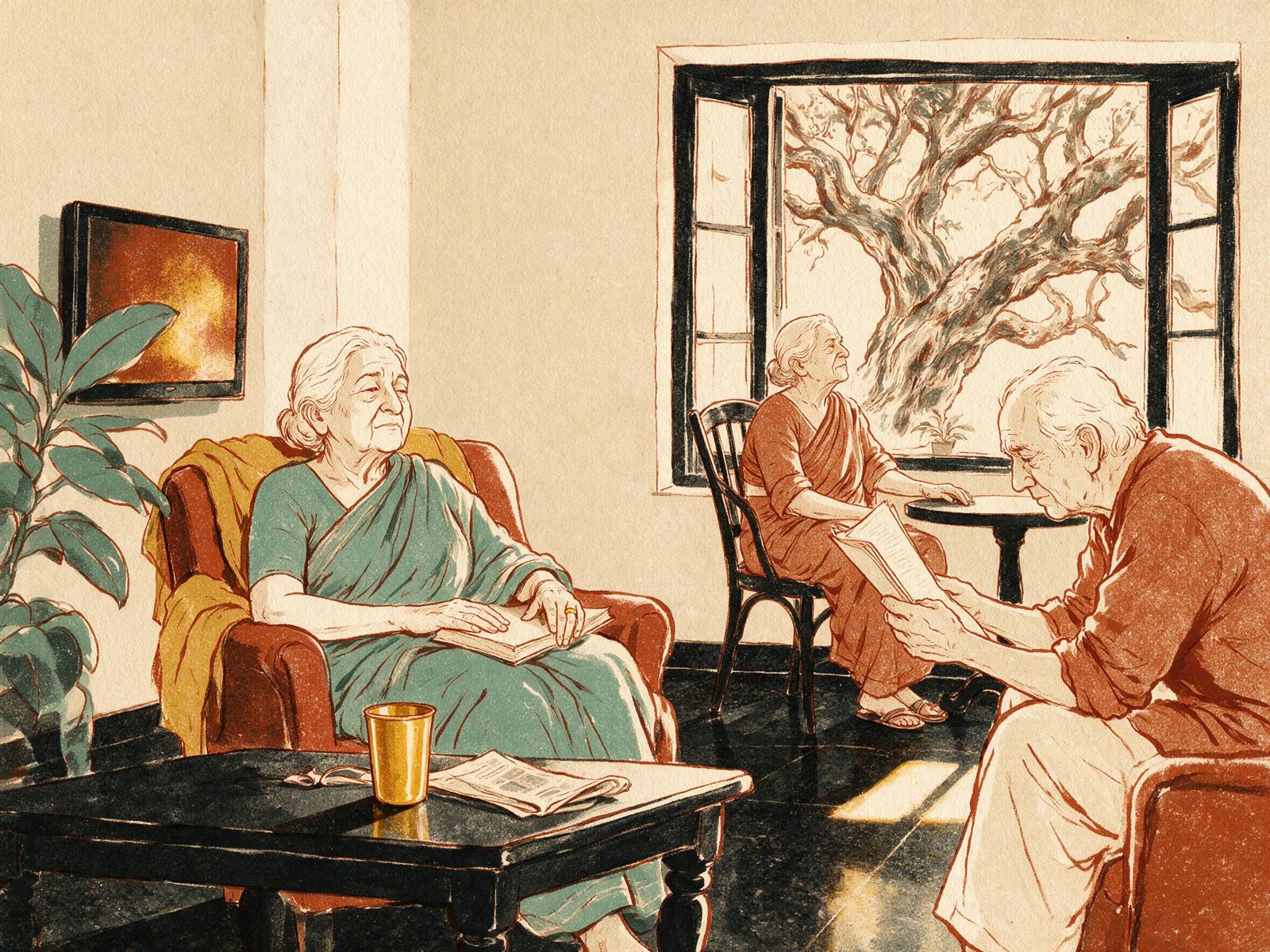
Retirement homes, sometimes called senior living or independent senior living communities, are generally meant for older adults who can manage their daily lives independently. Residents may choose them for security, companionship, recreation, easier home maintenance and a senior-friendly environment.
Assisted living is intended for seniors who remain capable of making many of their own choices but need some help with everyday activities. This could include medication support, bathing, dressing, mobility, meals, housekeeping or coordination during a health need.
The distinction is therefore not about whether someone is “healthy” or “unhealthy”. It is primarily about the level of assistance required to live safely and comfortably.
RETIREMENT LIVING IS PRIMARILY ABOUT INDEPENDENT LIVING IN A SENIOR-FRIENDLY COMMUNITY. ASSISTED LIVING ADDS REGULAR EVERYDAY SUPPORT TO THAT LIVING ENVIRONMENT.
Ageing From the 60s to the 100s
Ageing does not follow a fixed timetable. The World Health Organization emphasises that there is no “typical” older person: some 80-year-olds have physical and mental capacities comparable to much younger adults, others experience significant decline at younger ages.
That difference matters when planning senior living.
During the 60s and early 70s, many people remain completely independent. A retirement community may appeal because of lifestyle, security, social interaction and freedom from maintaining a conventional family home.
Through the 70s and 80s, health conditions, reduced mobility, loss of a spouse or difficulty managing a household may gradually change what feels comfortable. The senior may still be independent in many ways but benefit from selective assistance.
In the 80s, 90s and beyond, support needs may increase further. Help with medication, bathing, mobility, meals or appointments can become important. Yet chronological age alone should never determine where someone lives. There are independent people in their 90s and people requiring assistance much earlier.
THE BETTER QUESTION IS NOT “HOW OLD IS THE PERSON?” BUT “WHAT CAN THEY COMFORTABLY MANAGE INDEPENDENTLY, AND WHERE WOULD SOME SUPPORT IMPROVE DAILY LIFE?”
Purchase vs Monthly Service Fee
The financial models of the two options can also be quite different.
Many retirement communities in India operate through the purchase, lease or long-term occupancy of an apartment or villa. There may be a significant upfront capital commitment followed by maintenance, food, housekeeping or other service charges. The exact ownership, resale and transfer conditions depend on the individual project and agreement and should be examined carefully.
Assisted living generally works more like a service model. The resident pays a recurring monthly fee for accommodation together with an agreed package of services. Some facilities may additionally require deposits or admission charges.
This changes what the family is paying for. In a retirement home, the residential property or right of occupancy is often a significant part of the decision. In assisted living, the principal value lies in continuing accommodation, care and support services.
Neither model is automatically better financially. They address different requirements.
What Services Should Families Compare?
A retirement community may offer security, common areas, recreational activities, maintenance, housekeeping and dining options. Residents nevertheless generally remain responsible for managing their personal care, medicines and day-to-day lives unless additional services are separately arranged.
An assisted living home may combine accommodation and meals with housekeeping, laundry, caregiver assistance, medication support, nursing supervision, activities and coordination during medical appointments or emergencies. Services differ between providers, so families should understand exactly what is included and what attracts an additional charge.
It is equally important to ask whether support can increase if the senior's requirements change.
Independence and Assistance Can Coexist
Moving into assisted living does not necessarily mean giving up independence.
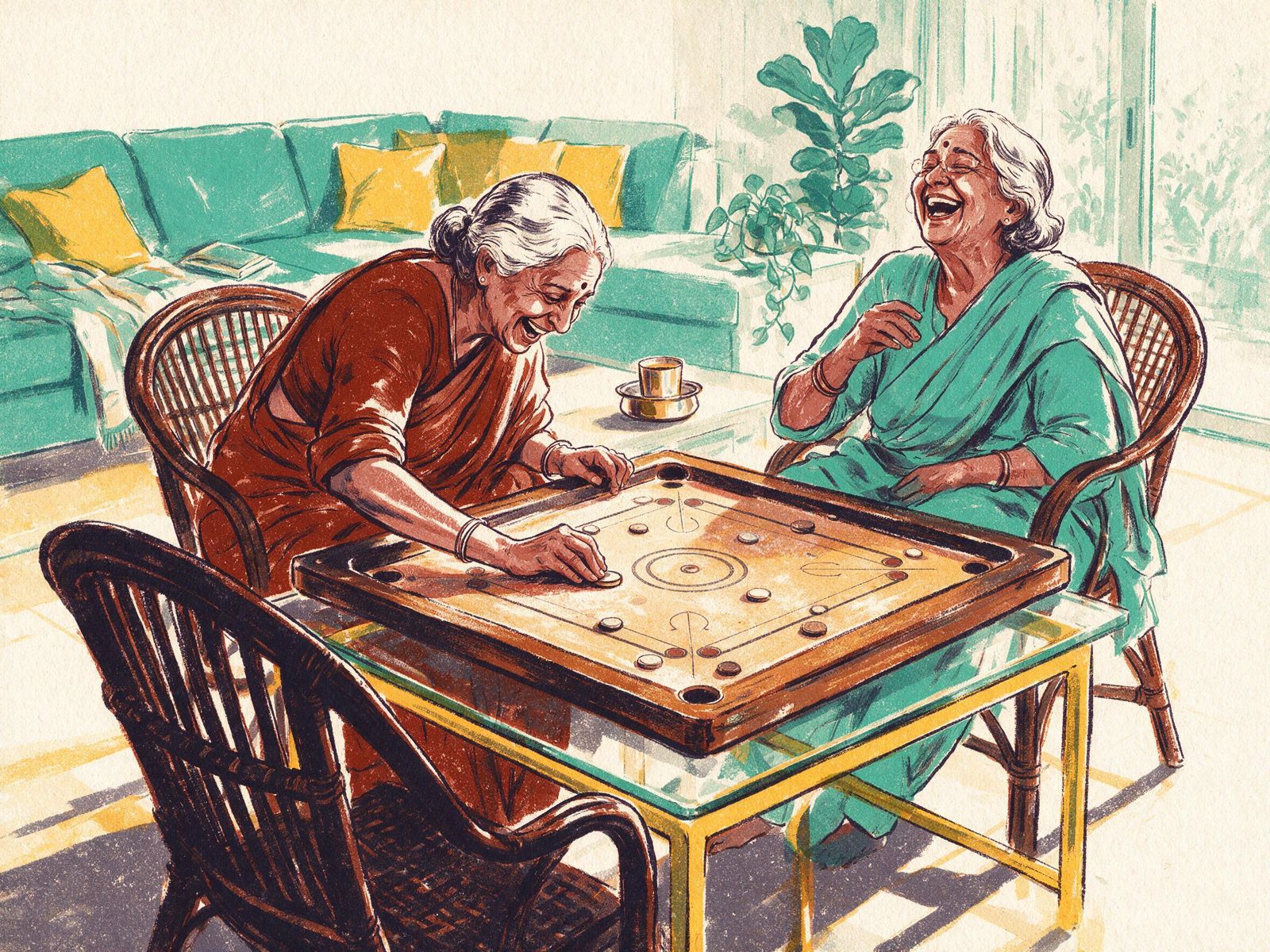
A resident may choose what to wear, what to read, whom to speak to, which activities to join and how to spend much of the day, while receiving assistance with a few tasks that have become difficult.
This distinction is important because good senior care should not do everything for an older person simply because assistance is available. It should help where required while encouraging the abilities and choices the person continues to have.
ASSISTANCE SHOULD SUPPORT INDEPENDENCE, NOT AUTOMATICALLY REPLACE IT.
What We See at Priaashraya
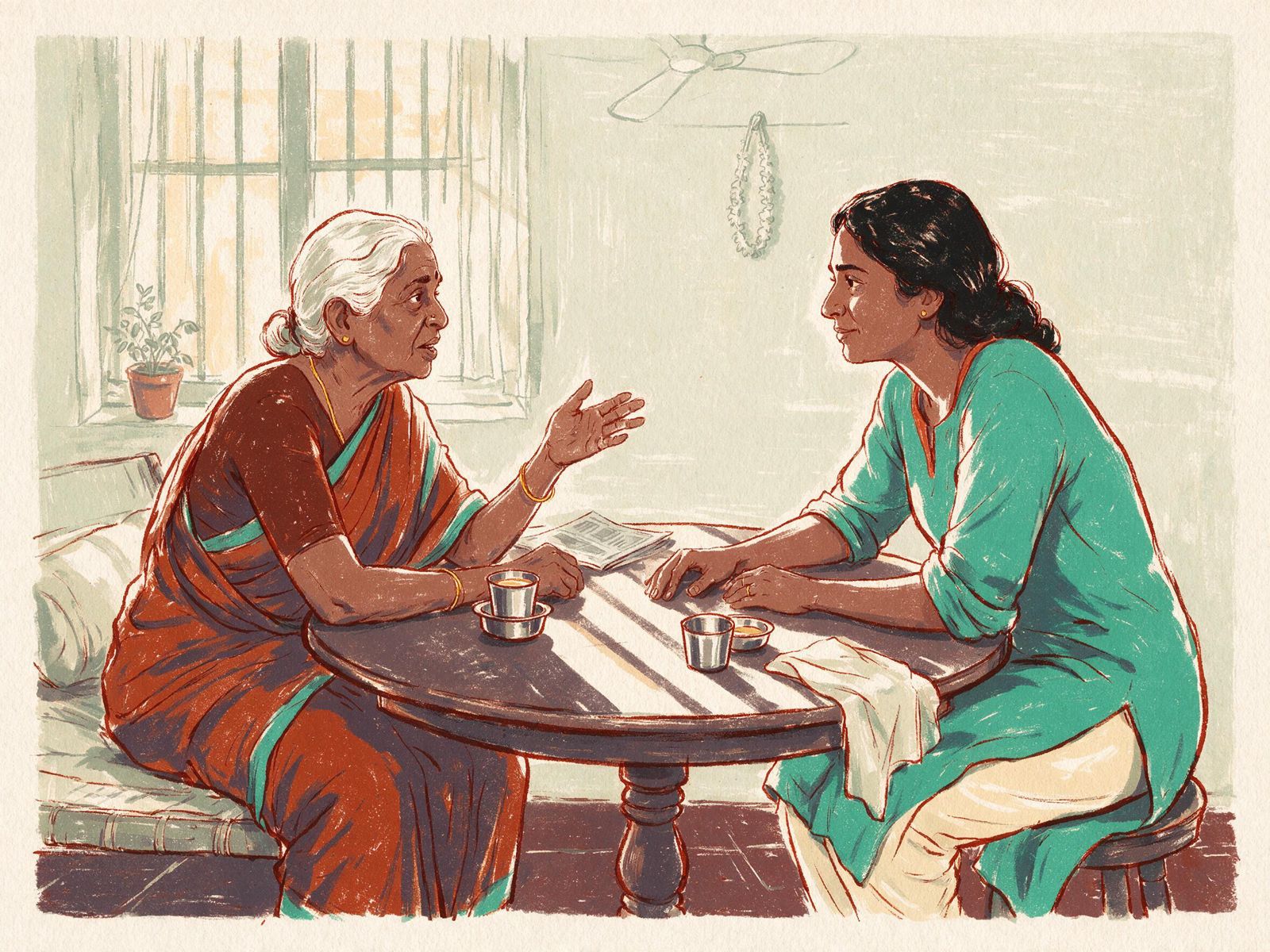
Families approaching Priaashraya often ask whether their parent is “independent enough” or “dependent enough” for assisted living. In practice, the answer is rarely binary.
Some seniors need little more than regular meals, medication reminders, social engagement and the reassurance of having support nearby. Others require considerably more help with mobility and activities of daily living.
Our experience has been that the appropriate level of support should be considered around the individual rather than simply around age.
Praveen S. N., Co-founder, Priaashraya, observes:
“We often think of ageing in fixed categories — independent or dependent. In reality, it is usually a gradual journey. A senior may need help in two areas and remain completely independent in ten others. The role of assisted living should be to support those two without unnecessarily taking over the other ten.”
Priaashraya is a non-medical assisted-living organisation. Medical diagnosis and treatment remain with qualified doctors, hospitals and healthcare professionals, while our role is everyday supportive care, assistance and coordination.
So, Which One Should a Family Choose?
If a senior is independent and primarily wants a secure, socially engaging and senior-friendly lifestyle, a retirement home may be the appropriate choice.
If everyday life is becoming difficult without regular assistance — even though the senior remains independent in many respects — assisted living may be more appropriate.
Families should therefore consider not only today's situation but also how easily the chosen arrangement can adapt over the coming years.
Because the objective is not simply to find somewhere to live after 60.
It is to find an environment that continues to make sense as life changes from the 60s to the 70s, 80s, 90s — and perhaps even the 100s.
References & Further Reading
1. World Health Organization (WHO) — Ageing and Health.
2. World Health Organization (WHO) — UN Decade of Healthy Ageing (2021–2030).
3. United Nations Department of Economic and Social Affairs — World Social Report 2023: Leaving No One Behind in an Ageing World.
4. Ministry of Social Justice and Empowerment, Government of India — programmes and resources relating to senior citizens and ageing.
5. National Programme for Health Care of the Elderly (NPHCE), Government of India — framework for healthcare of older persons.
Recent posts



Our homes in Bengaluru


Tell us about your situation
Fill in as much as you're comfortable sharing. One of our senior care advisors will call you back to talk it through.
A conversation, not a pitch.