
When Is It Time to Consider Assisted Living?
Recognising small changes early can help families decide when an ageing parent needs more support.
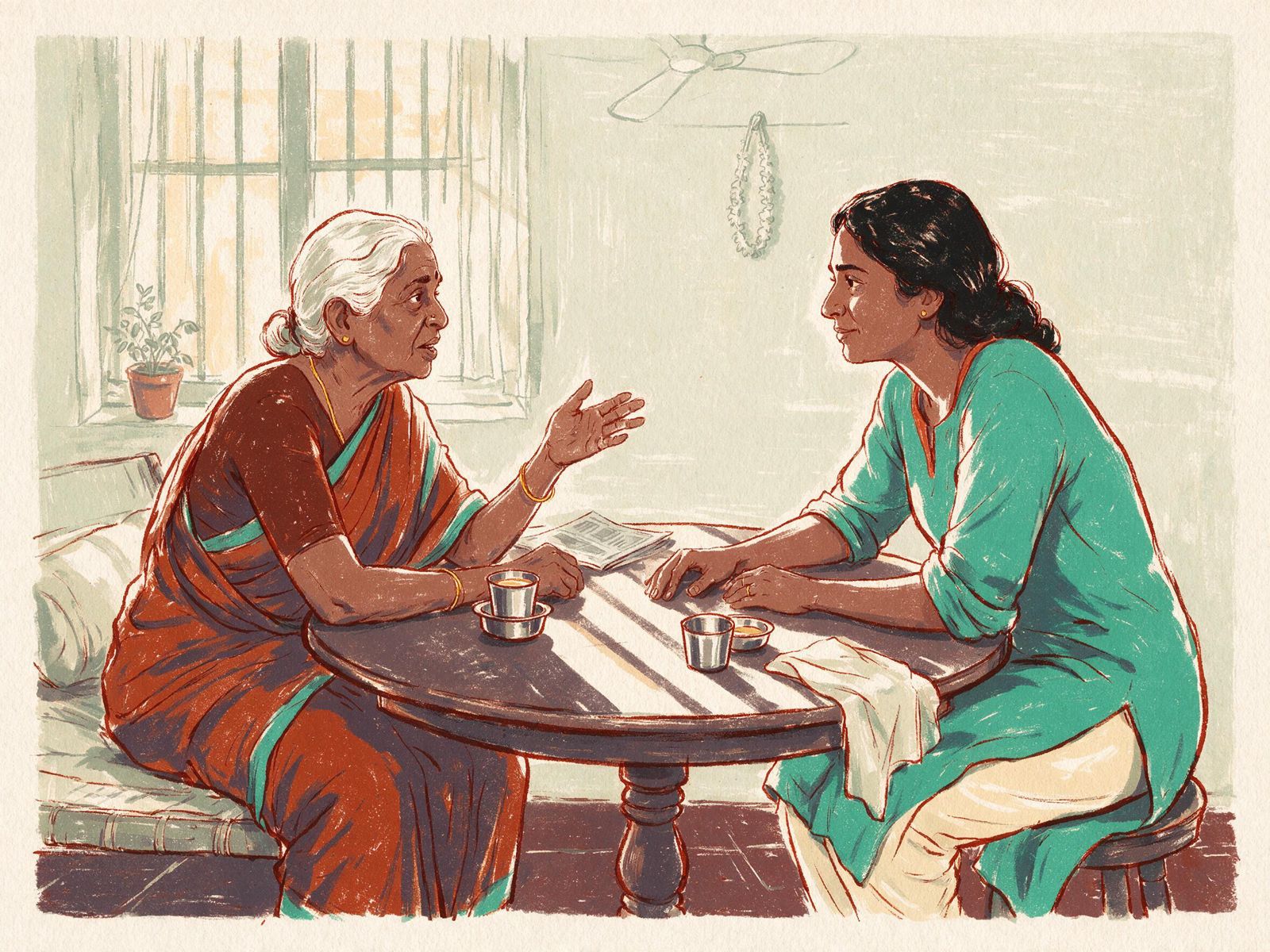
Every evening at 8.30, Meera called her 82-year-old mother, Mrs Rao, who lived independently in Bengaluru.
Their conversations had a reassuring routine. Had dinner? Yes. Medicines? Taken. How was the day? Fine.
Mrs Rao had managed well after her husband's death. A cook came every morning, a housekeeper helped with cleaning, and neighbours were nearby. Her daughter lived overseas but visited regularly. There seemed no compelling reason to change anything.
Then small things began to happen.
A medicine was taken twice. Lunch was occasionally left untouched. Mrs Rao stopped going downstairs for her evening walk. Once, she didn't answer Meera's calls for nearly two hours because she had fallen asleep unusually early.
There was no crisis. Mrs Rao could still dress herself, converse intelligently and make her own decisions.
Yet Meera began asking a question many families eventually face:
When does living independently stop being enough, and when should we consider assisted living?
The answer is rarely determined by one incident. Assisted living becomes worth considering when several small changes begin affecting a senior's safety, daily routine, nutrition, medication management, mobility, social connection or overall quality of life.
Look for a Pattern, Not Just One Incident
Families often associate assisted living with a major event — a fall, hospitalisation, serious illness or significant memory problem.
But the need for additional support can develop gradually.
Perhaps medicines are increasingly forgotten. Meals become irregular. Bathing feels more difficult. Walking becomes less confident. Managing appointments and household responsibilities takes greater effort. An ageing spouse who has been providing support may also be finding caregiving physically exhausting.
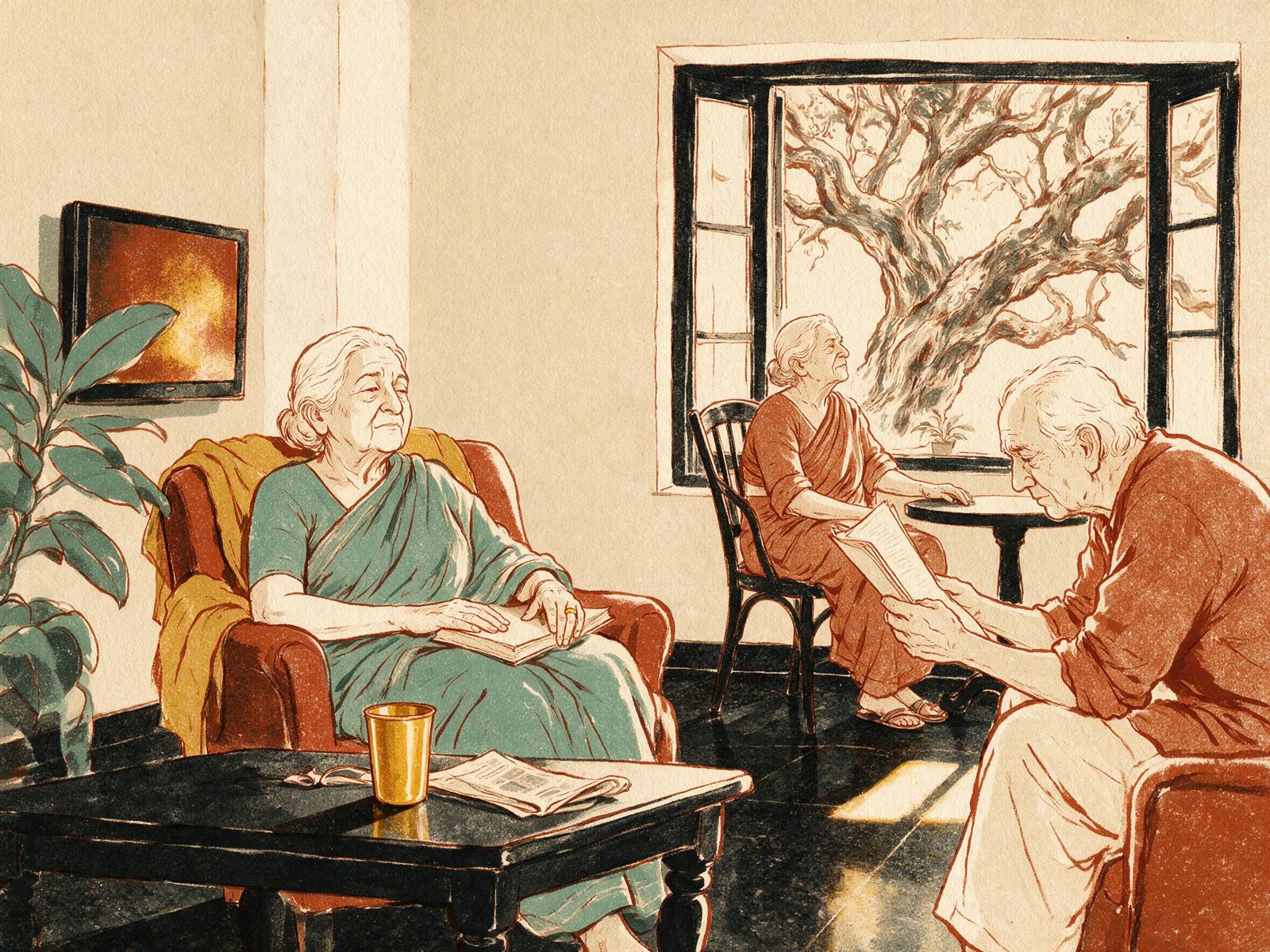
Another change can be even easier to miss: life becomes smaller.
The senior who once visited neighbours, went to the temple, shopped independently or met friends may gradually spend most of the day alone at home.
The World Health Organization recognises social isolation and loneliness as important determinants of health and wellbeing in older age. Meaningful social connection and opportunities for participation are therefore not simply recreational extras; they form part of a supportive environment for healthy ageing.
KEY TAKEAWAY
The question is not only, “Can my parent still live alone?” It is also, “Are they still living safely, confidently and meaningfully?”
What Signs Should Families Pay Attention To?
No single checklist can decide whether someone needs assisted living. The individual's health, abilities, preferences, home environment and available family support all matter.
However, families should take notice when several of these changes begin appearing together:
• medicines are repeatedly missed, confused or incorrectly taken;
• meals are skipped or eating becomes irregular;
• falls, near-falls or fear of falling are increasing;
• bathing, dressing or other daily routines are becoming difficult;
• managing appointments and everyday household tasks is increasingly stressful;
• the senior is becoming socially withdrawn or spending long periods alone;
• an ageing spouse or family caregiver is becoming exhausted;
• family members living elsewhere are increasingly dependent on neighbours, domestic staff or emergency calls to manage routine needs.
Falls deserve particular attention. Falls in later life can have serious consequences, and recognised fall-prevention approaches include reviewing individual risks, medications, strength, balance and the living environment with appropriate health professionals.
These signs do not automatically mean that someone should move into assisted living. They indicate that the existing support system should be reassessed.
Assisted Living Is Not the Same as Giving Up Independence
When Meera first raised the subject, Mrs Rao's response was immediate.
"I can look after myself. Why do I need to go anywhere?"
It was a reasonable question.
Assisted living should not mean taking over everything an older person can still do. At its best, it provides support around the abilities and independence the person retains.
For one senior, that may mean regular meals and medication assistance. For another, it could mean help with bathing, mobility or daily routines. Someone else may primarily benefit from companionship, activities and the reassurance that assistance is nearby.
India's National Programme for Health Care of the Elderly similarly places emphasis on active and healthy ageing and on creating an enabling environment for older people.
Medical conditions, however, require appropriate doctors and healthcare professionals. Assisted living provides supportive care; it does not replace medical diagnosis or treatment.
KEY TAKEAWAY
Good assisted living should not ask, “What can we do for this person?” before asking, “What can this person still comfortably do for themselves?”
Sometimes a Short Stay Helps Answer the Question
Mrs Rao did not make a permanent decision immediately.
Instead, she agreed to try a short stay.
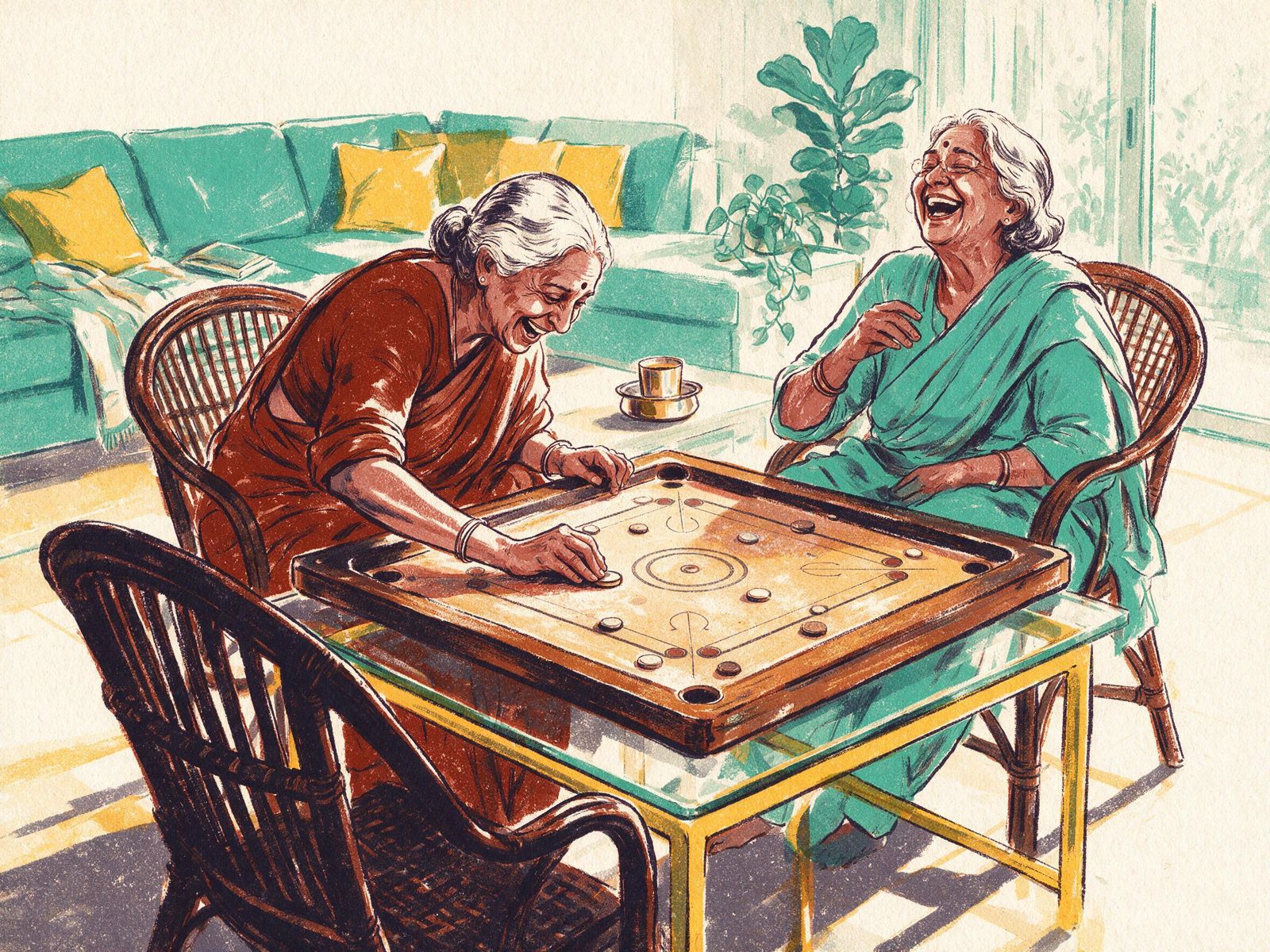
Within a few days, something changed that Meera had not anticipated. Her mother began eating breakfast with others. She participated in gentle exercise. Medication reminders became part of the daily routine rather than a repeated telephone conversation with her daughter. She found another resident who shared her enthusiasm for old Hindi films.
During one of their evening calls, Meera asked the familiar question:
"What did you do today?"
For months, the answer had usually been, "Nothing much."
This time, Mrs Rao had several things to tell her.
The story is fictional, but the situation is familiar.
A Perspective from Priaashraya
“Families often approach assisted living as a decision about what their parent can no longer do. We encourage them to also look at what could become possible again — regular routines, companionship, activity and the confidence of knowing that support is available when needed.”
— Praveen S. N., Co-founder, Priaashraya
In our experience supporting seniors at Priaashraya, a short or respite stay can sometimes help families and seniors understand assisted living without immediately treating it as a permanent move.
It allows the senior to experience the routine, environment, meals, activities and companionship firsthand while the family observes whether additional support improves everyday life.
Don't Wait Until the Decision Becomes an Emergency
There is no universal “right age” for assisted living.
An active 88-year-old may manage comfortably at home with modest support, while someone younger may benefit from a more supportive environment because of mobility limitations, chronic health conditions, isolation or caregiver constraints.
The better time to start the conversation is often before a crisis forces the decision.
Ask practical questions. Is your parent eating well? Taking medicines reliably? Moving around safely? Meeting other people? Managing personal routines comfortably? Is help readily available when required? And importantly, are they still enjoying their days?
Assisted living is not necessarily the answer to every one of these concerns.
But when several answers begin to worry the family, it may be time to explore the options — together with the senior.
The right time to consider assisted living may not be when living independently becomes impossible. It may be when the right amount of support can help an older person continue living with greater safety, connection, dignity and confidence.
Mrs Rao and Meera are fictional characters created to illustrate situations commonly encountered by families considering assisted living.
References & Further Reading
1. World Health Organization — Social Isolation and Loneliness Among Older People. WHO identifies social connection as an important contributor to health and wellbeing in later life.
2. World Health Organization — From Loneliness to Social Connection: Charting a Path to Healthier Societies. Report of the WHO Commission on Social Connection, 2025.
3. Directorate General of Health Services, Ministry of Health & Family Welfare, Government of India — National Programme for the Health Care of the Elderly (NPHCE). The programme promotes accessible elder care and active and healthy ageing.
4. Centers for Disease Control and Prevention — Preventing Falls and Hip Fractures. Guidance on identifying and reducing fall risks among older adults.
About This Article
Grounded in experience. Written for families.
Drawn from Priaashraya's practical experience with older adults and families, supported by established senior-care practices and reliable sources.
For general information only; health-related content is not a substitute for professional medical advice.
© 2026 Priaashraya Healthcare Pvt. Ltd. All rights reserved.
Recent posts



Our homes in Bengaluru


Tell us about your situation
Fill in as much as you're comfortable sharing. One of our senior care advisors will call you back to talk it through.
A conversation, not a pitch.